If you've searched "vehicle wrap cost" recently, you've probably found a wide range of numbers with very little explanation behind them. That's frustrating when you're trying to make a real decision about your car, truck, or fleet.
This guide covers what actually drives vehicle wrap pricing, what you can expect to pay for different types of wraps in Knoxville and East Tennessee, and what separates a quote that sounds cheap from a job that holds up. AZRagIPS has been wrapping vehicles in Knoxville since 2016. These numbers reflect what we see in the market every day.
The Short Answer: Vehicle Wrap Cost Ranges
Before getting into the details, here are honest ballpark ranges for the most common wrap types:
- Partial wrap or spot graphics: 800 to 1,500
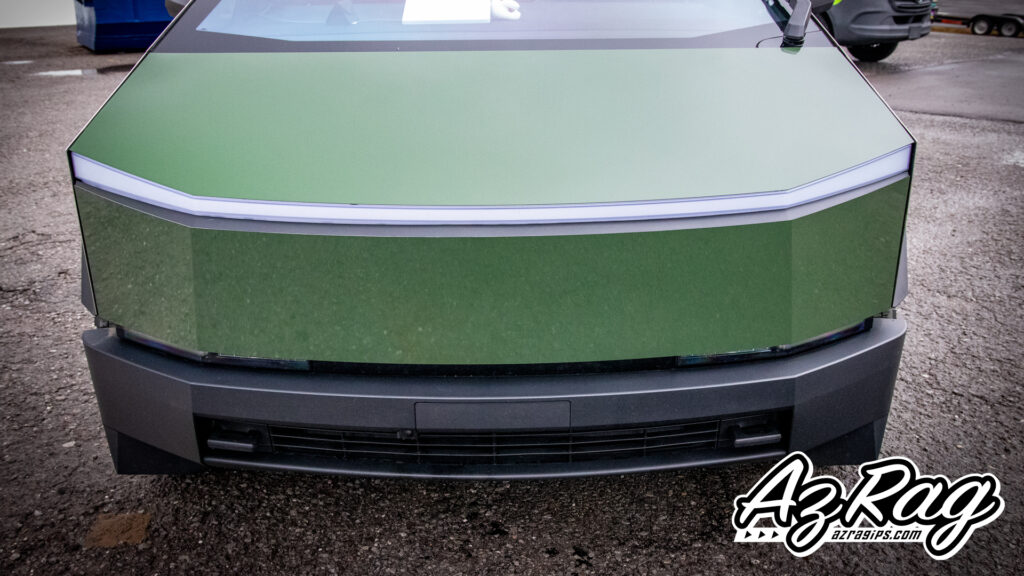
- Full color change wrap (car): 3,500 to 6,000
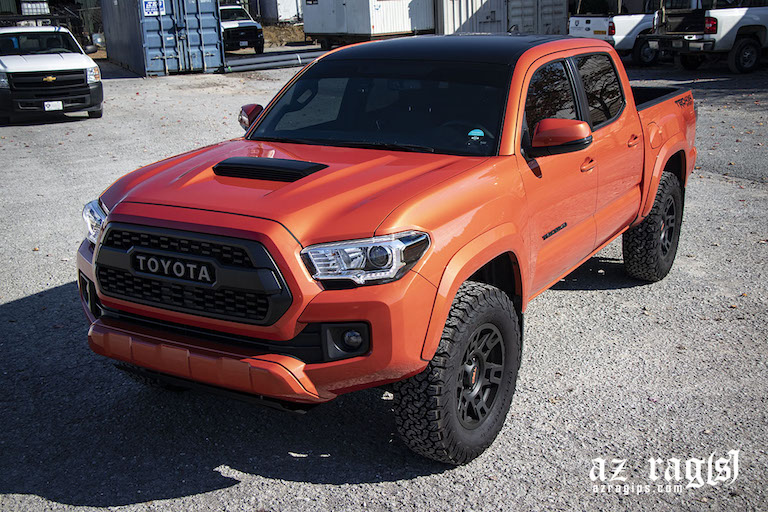
- Full color change wrap (truck or SUV): 4,500 to 8,500
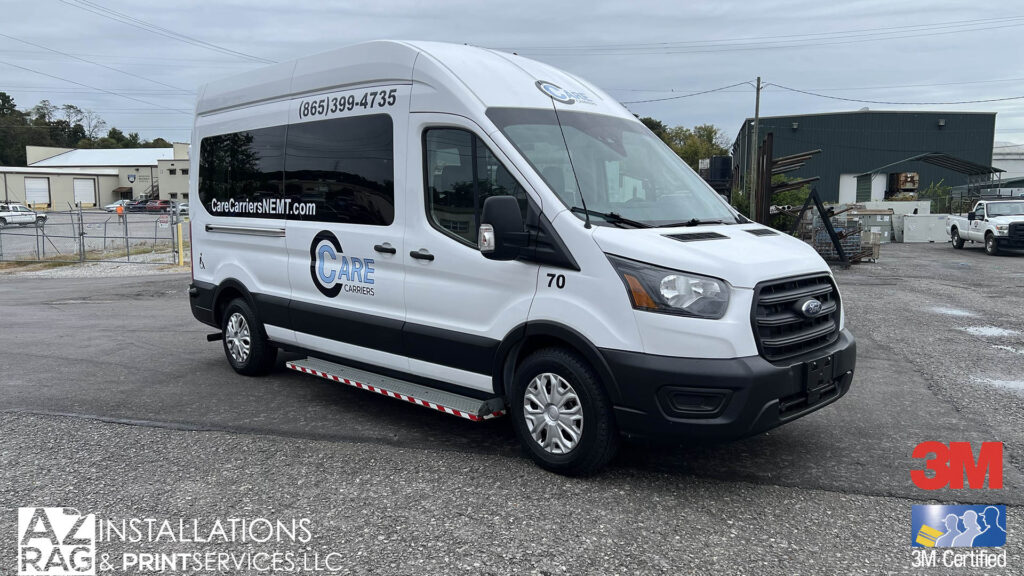
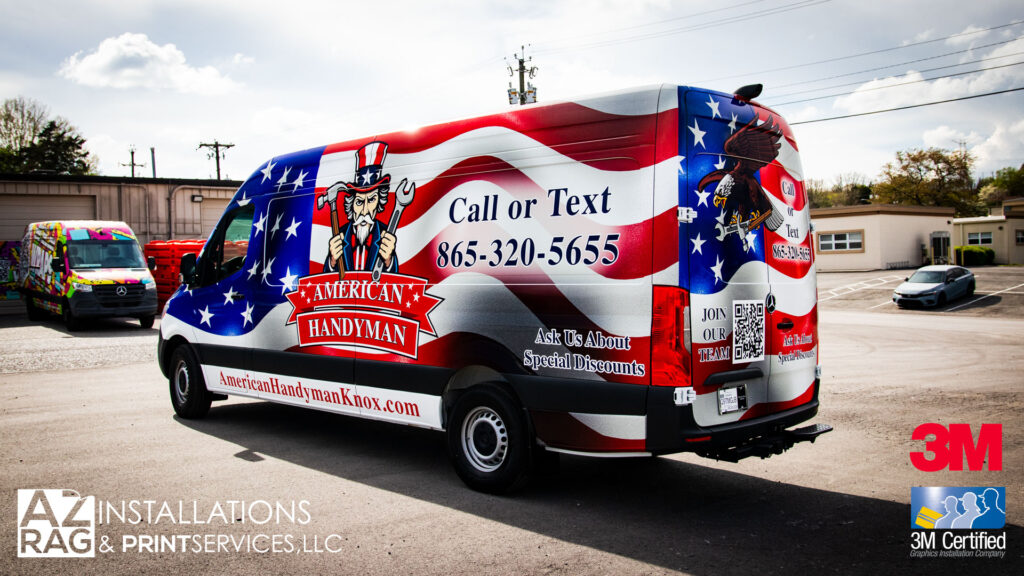
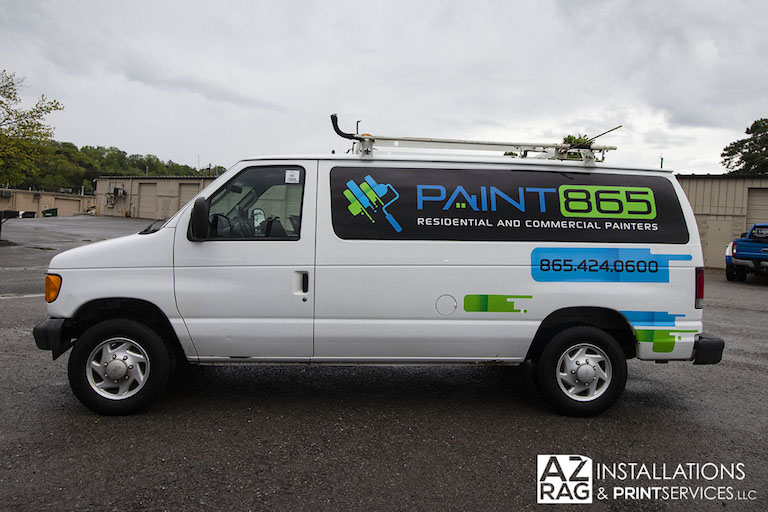
- Commercial vehicle graphics (van, work truck): 4,500 to 7,500
- Fleet vehicles (per unit): depends on size and coverage
- Exotic or high-end vehicle wrap: 6,000 to 10,000+
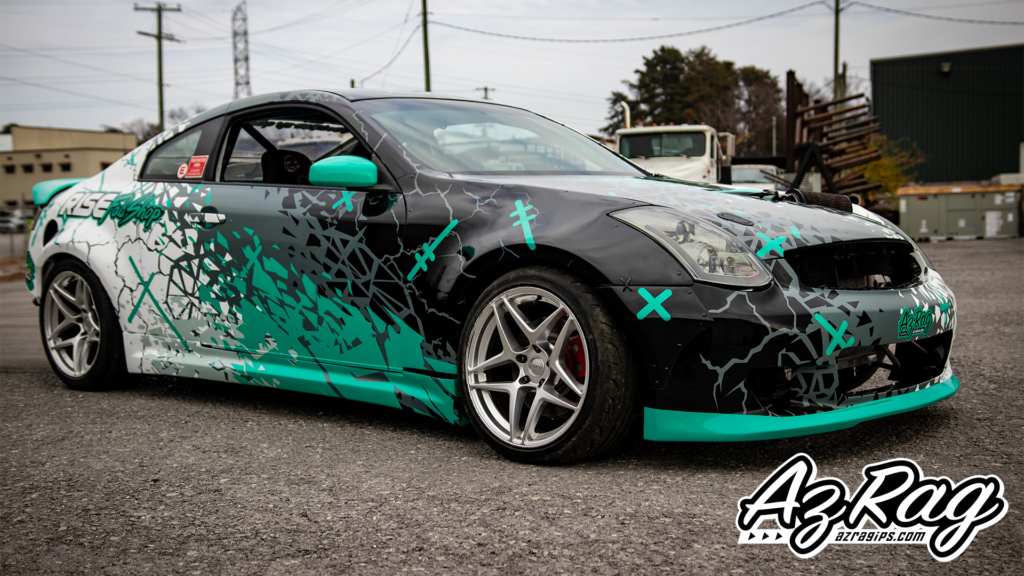
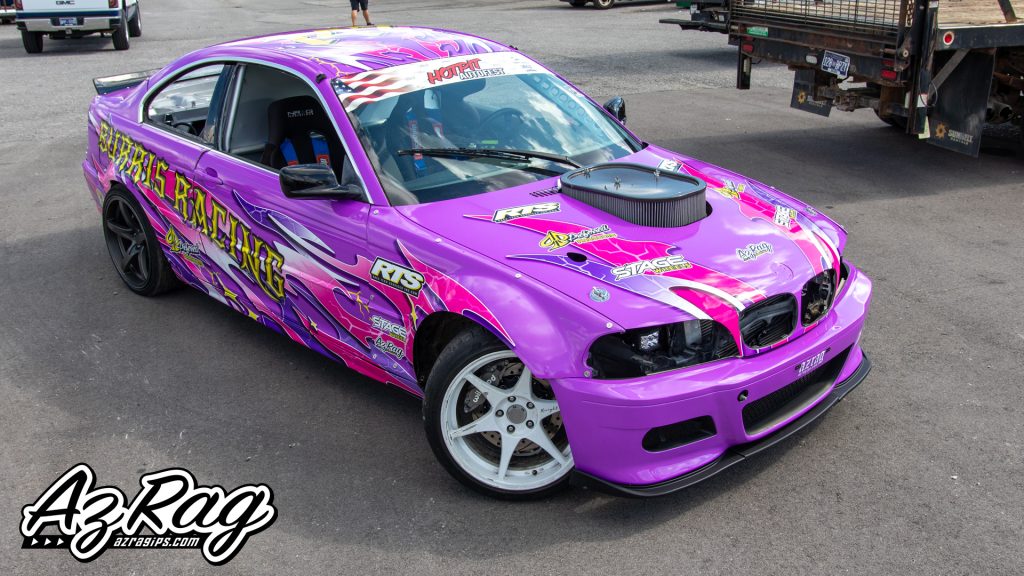
- Race car livery: 4,500 to 6,000+ depending on complexity
These are starting points, not fixed prices. Every vehicle and every job is different. The factors below explain why.
What Actually Drives the Cost of a Vehicle Wrap
1. Vehicle Size and Surface Area
Wrapping a Mazda Miata costs less than wrapping a Ford F-350 Super Duty. More surface area means more film, more labor, and more time. A full-size pickup or large SUV can run 30 to 40 percent more than a compact car for the same quality wrap.
2. Vehicle Complexity
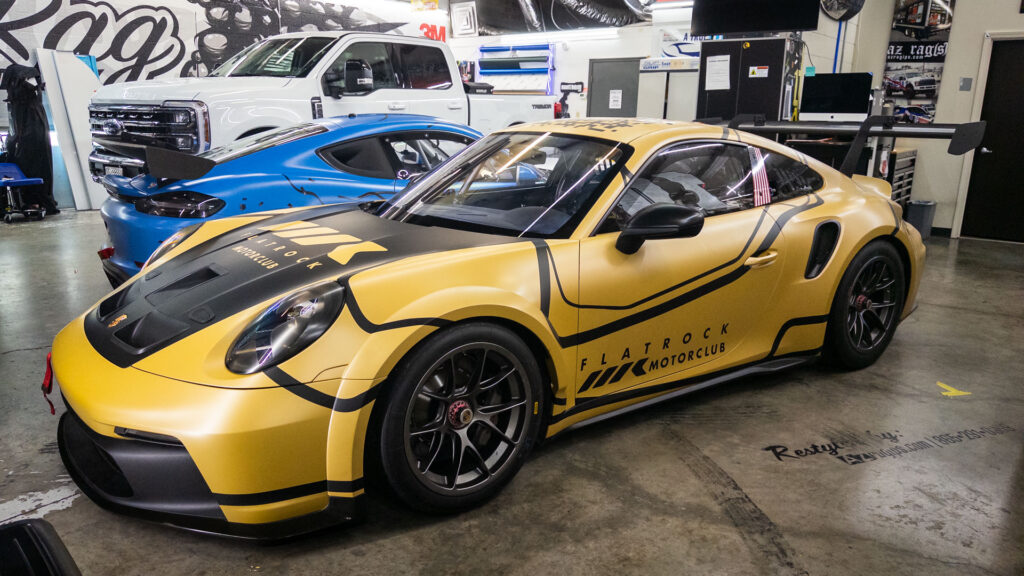
Compound curves, deep recesses, door handles, side mirrors, bumper vents, and body lines all add installation time. A flat-sided van wraps faster than an exotic with aggressive body sculpting. A Porsche GT4 Clubsport with full aero kit costs more to wrap than a standard coupe — not because the material costs more, but because the installation takes significantly longer and requires more precision.
3. Type of Wrap
A full color change wrap covers every painted surface on the vehicle. A partial wrap or commercial graphics package covers specific panels or areas. A roof wrap only covers the roof. The more coverage, the higher the cost — but every type adds value relative to its purpose.
4. Film Material
Not all vinyl wrap film is the same. The two main categories are cast film and calendered film.
Cast vinyl is manufactured by casting liquid vinyl onto a substrate, producing a thin, flexible film that conforms to complex curves without memory or tension. It has a 5 to 10 year lifespan under normal conditions. This is what professional wrap shops use for full vehicle wraps.
Calendered vinyl is manufactured by pressing vinyl through rollers. It's thicker, stiffer, and more prone to lifting on curved surfaces over time. It's appropriate for flat or near-flat applications, not full vehicle wraps.
Within cast film, there are premium tiers. AZ Rag installs 3M IJ175cv3, 3M 2080, Oracal, Hexis, and Avery Dennison films depending on the job. These materials cost more per square foot than generic films. They also last longer, look better, and are easier to remove cleanly at the end of their life.
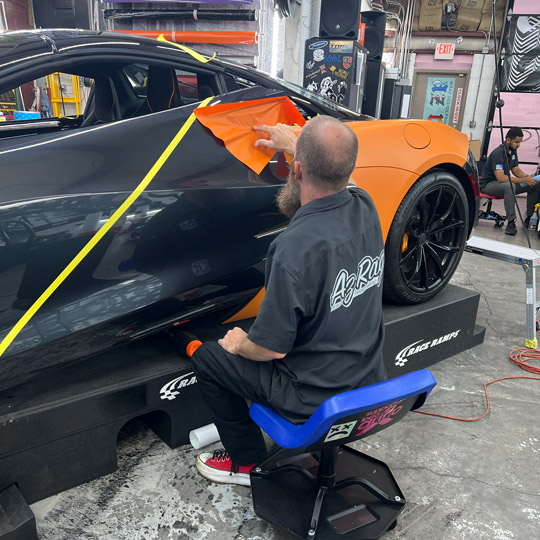
As a 3M Preferred Installer and Avery Dennison CWI Certified shop, AZRag is held to manufacturer installation standards that protect both the vehicle and the investment.
5. Finish Type
Gloss films are the most common and generally the least expensive within a given product line. Matte, satin, chrome, color-shift, and textured finishes (brushed metal, carbon fiber, etc.) cost more per square foot. Chrome films like Avery Dennison chrome gold are among the most expensive materials in the industry and require the most installation time.
6. Design and Print Work
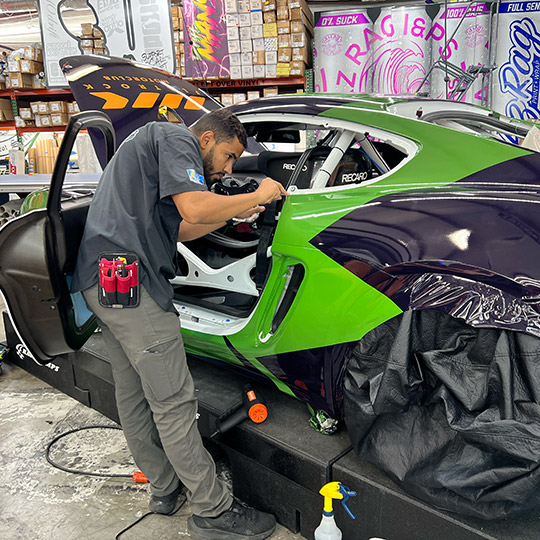
A straight color change wrap uses a single film across the vehicle. A commercial wrap or race livery with custom printed graphics requires design time, printing on cast print media, lamination with a protective overlaminate, and precise installation over the base film. Each step adds cost.
For commercial clients, AZ Rag works with print and installation as a combined service you're not managing two separate vendors.
7. Surface Condition
Paint condition affects installation quality. Chips, rust, peeling or contaminated clear coat, and previous body repairs all have to be addressed before film goes down. A vehicle with perfect factory paint wraps faster and holds film better than one that needs significant prep work.
Color Change Wraps: What to Expect
A full color change wrap replaces the visual appearance of your factory paint with a new color or finish. Done correctly, it's reversible, remove the wrap and the original paint is underneath, protected. Think of it as clothes for your car.
Common reasons people choose color change wraps over paint:
- Significantly lower cost than a quality repaint
- Reversible — important for leased vehicles or owners who want to sell at original color
- Access to finishes that don't exist in factory paint (matte, satin, color-shift, chrome)
- Protection for the underlying paint during the wrap's lifespan
A quality color change wrap on a standard sedan in Tennessee climate conditions should last five to seven years with proper care. See our wrap care guide for maintenance details.
Commercial Vehicle Wraps: Cost vs. Return
Commercial vehicle wraps are one of the most cost-effective marketing tools available to a small or medium-sized business. A vehicle wrap generates between 30,000 and 70,000 impressions per day depending on where it operates — at a one-time cost that's typically recovered in brand exposure within weeks of hitting the road.
Compare that to recurring costs for digital ads, print, or billboard rentals. A wrapped work truck operates as a moving billboard for five or more years at no additional cost after installation.
For businesses running multiple vehicles, fleet pricing is available. Fleet wraps allow consistent branding across every unit with significant per-vehicle savings on larger orders. See our fleet wrap services for details.
Specialty Wraps: Exotic, Race, and High-End Builds
Exotic car wraps and race liveries sit at the top of the cost range for good reason. The vehicles themselves are worth protecting carefully. The surfaces are more complex. The expectations for precision are higher.
A Porsche, Ferrari, Lamborghini, or McLaren wrapped at AZ Rag gets the same certified installation process that commercial and color change clients get — but on a vehicle where the margin for error is zero. Premium film, additional installation time, and careful surface preparation are built into every exotic wrap we do.
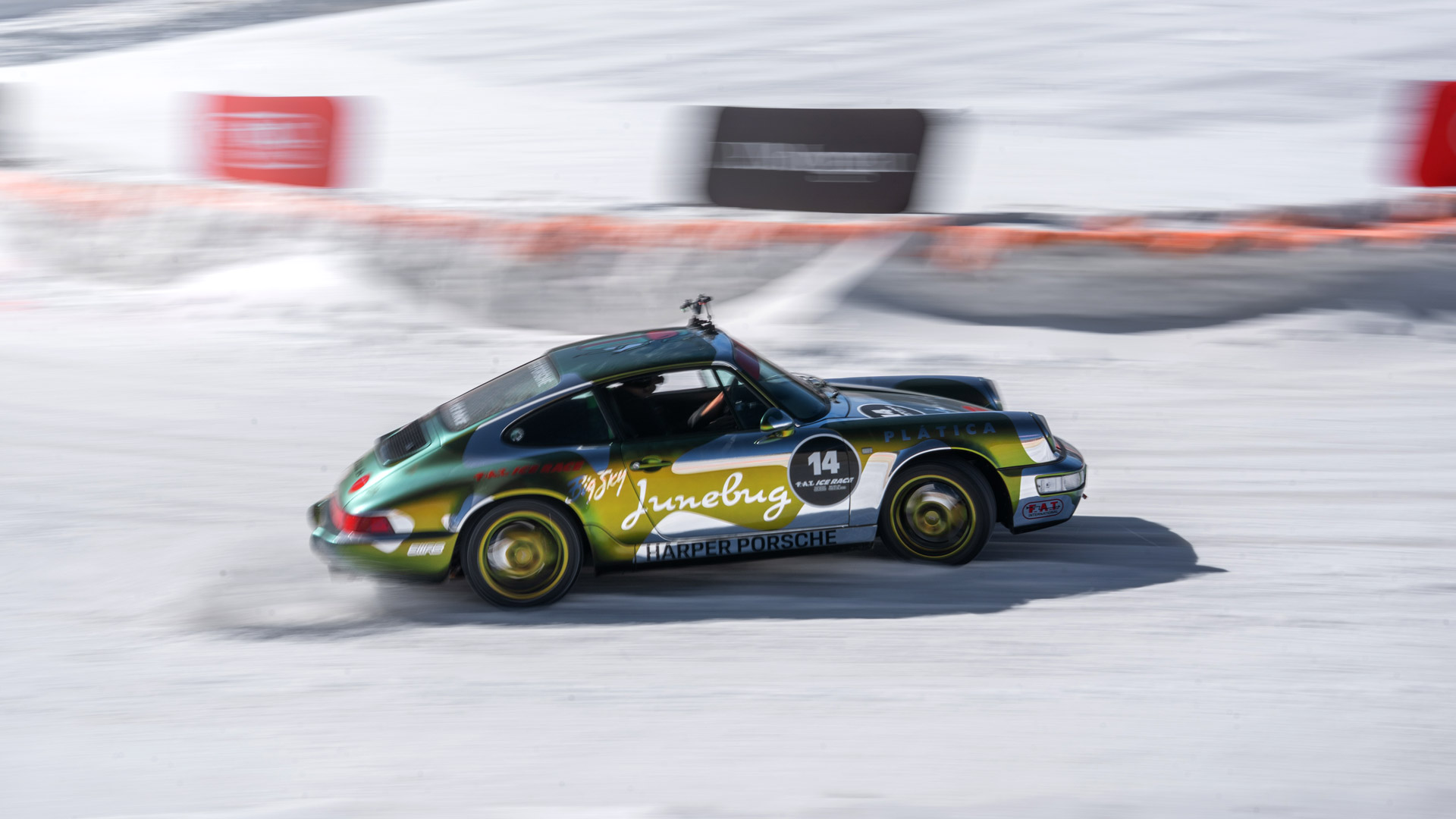
For track cars and race builds, the livery design, sponsor placement, and print execution are part of the job. These are typically the most complex projects in our shop.
Paint Protection Film: Different Product, Related Question
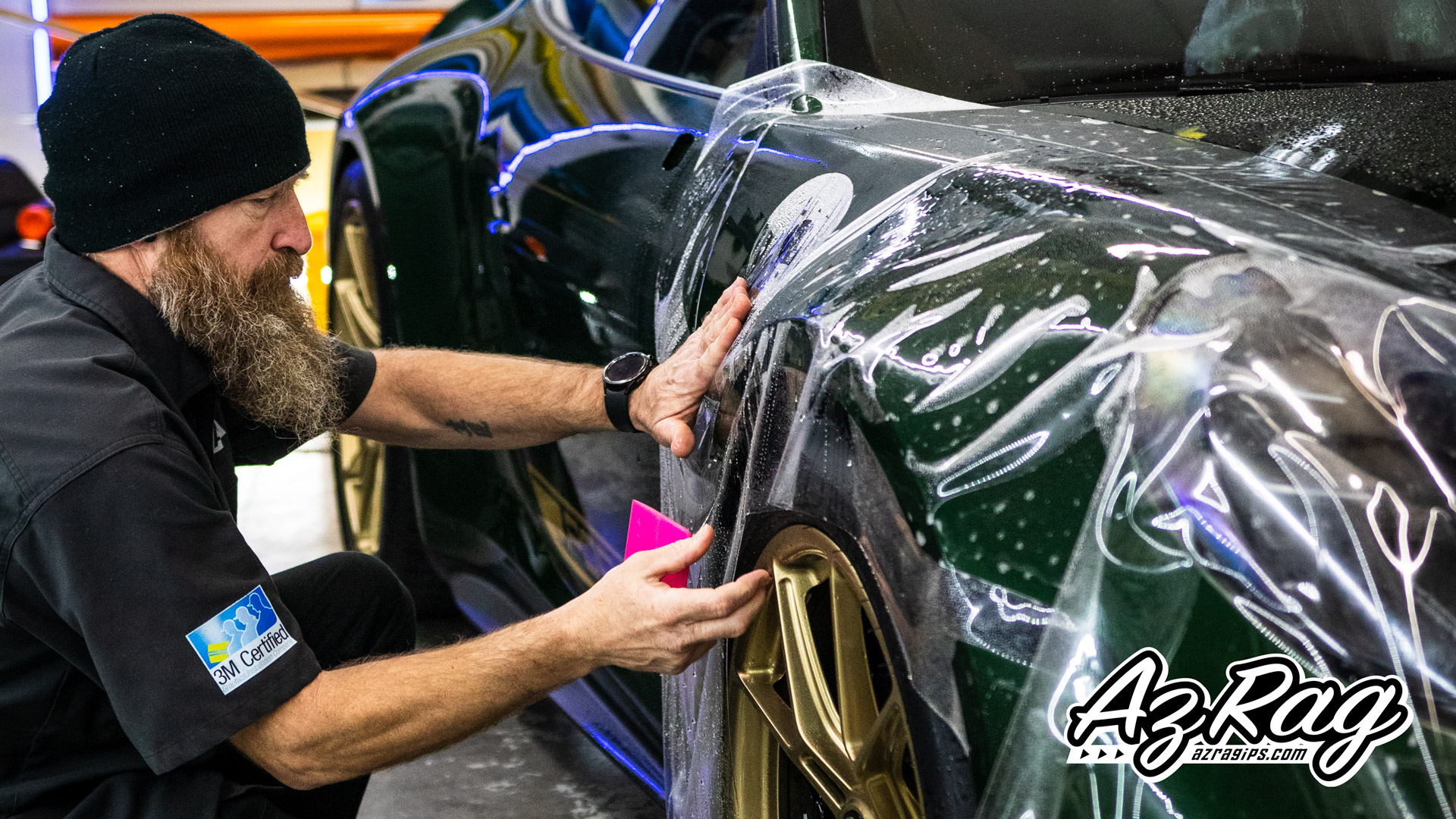
Paint protection film (PPF) is a clear urethane film applied to high-impact areas (front bumper, hood, fenders, mirrors) to protect against rock chips, road debris, and minor abrasion. It's not a color change product — it's protective.
PPF costs more per square foot than standard vinyl wrap film. A full front end package typically runs to 2,500 depending on vehicle size and coverage area. Full-vehicle PPF is a significant investment and is typically reserved for exotic and high-value vehicles.
Some clients combine PPF on high-impact areas with a color change wrap on the rest of the vehicle. AZ Rag handles both in-house.
What a Low Quote Usually Means
A vehicle wrap quote that comes in well below market rate is worth scrutinizing. The most common reasons for low quotes:
- Calendered film instead of cast. Lower material cost, shorter lifespan, higher likelihood of lifting on curves.
- Incomplete coverage. Door jambs, edges, and recesses left unwrapped.
- Inadequate surface prep. Skipping prep steps to save time creates adhesion failures within months.
- No warranty. Most reputable installers back their work. If there's no warranty, ask why.
A wrap that fails at 18 months costs you the removal and a full reinstall on top of the original price. The savings disappear. Working with a certified installer using manufacturer-grade materials is a better investment than chasing the lowest number.
Read more on this topic: The Real Cost of a Vinyl Wrap and Why It's Worth It.
Why AZRagIPS
AZ Rag Installations and Print Services is a 3M Preferred Installer and Avery Dennison CWI Certified wrap shop in Knoxville, Tennessee. We've been wrapping personal vehicles, commercial fleets, race cars, and exotics since 2016. Our work covers all of East Tennessee and the broader Southeast.
Every job — whether it's a partial graphic or a high end race livery — gets the same prep process, the same certified materials, and the same installation standards. That's what the certifications require and what our clients expect.
If you're trying to budget a wrap project and want a real number for your specific vehicle, the fastest path is a direct quote.
Frequently Asked Questions
How long does a vehicle wrap last?
A quality cast vinyl wrap installed correctly lasts five to seven years under normal conditions. Chrome and specialty films may have shorter lifespans. Proper care extends the life of any wrap — see our wrap care guide.
Does a wrap damage the paint underneath?
A wrap installed on clean, undamaged factory paint protects the paint underneath and removes cleanly at the end of its life. Paint that was already compromised before the wrap went on may show damage upon removal. Surface condition before installation matters.
Can I wrap a leased vehicle?
Yes. A vinyl wrap is fully reversible. Remove it before the lease return and the original paint is intact underneath. Many clients wrap leased vehicles specifically to protect the factory finish.
How long does installation take?
A full color change wrap on a standard vehicle typically takes two to four days. Commercial wraps vary by complexity. Exotic and race builds can take longer depending on the design and panel count.
Do you offer financing?
Yes. See our financing options for details.
How do I get a quote?
Submit a free quote request with your vehicle details and what you're looking to do. We'll get back to you with a real number, not a range.