
Paint Protection Film in Knoxville
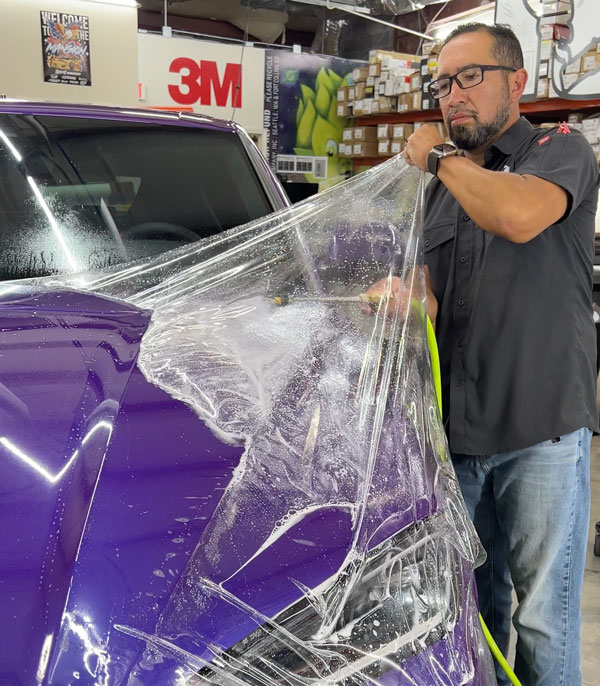
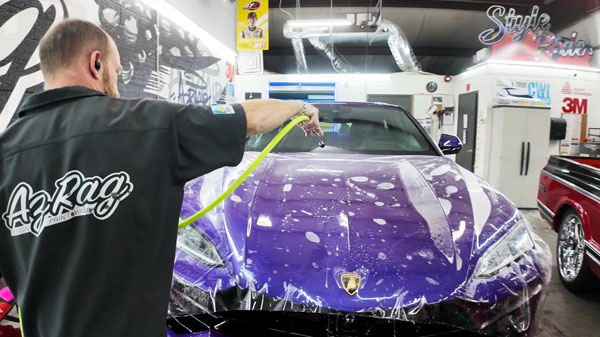
When it comes to preserving the pristine aesthetic and long-term resale value of your vehicle, nothing compares to the industry-leading performance of 3M Scotchgard Paint Protection Film (PPF). As a premier installer, we use 3M Scotchgard exclusively because it represents the gold standard in automotive surface protection, offering an invisible layer of defense against the harshest elements on the road. Whether you are navigating highway debris, gravel, or harsh weather conditions, this advanced thermoplastic polyurethane film acts as a sacrificial barrier that absorbs the impact of rock chips, road salt, and minor abrasions before they ever reach your factory paint. Our specialized 3M Scotchgard Pro Series installation provides a high-gloss, crystal-clear finish that is virtually indistinguishable from your original clear coat, ensuring that your car maintains that "just-off-the-lot" shine for years to come.
Self Healing Technology
Unrivaled Defense Against Road Hazards
Industry Leading Clarity & Stain Resistance








Paint Protection Film - Questions We Get Every Week
Is PPF better than ceramic coating?
They protect against different things. PPF is a physical barrier — thermoplastic polyurethane film that absorbs rock chips, road debris, and key scratches before they reach your paint. Ceramic coating is a chemical bond that sits on top of your clear coat, repelling water and contaminants. PPF protects against impact.
Ceramic protects against contamination. The most complete protection package combines both: PPF on high-impact zones, ceramic over the top of the film and over the rest of the vehicle. We install both and can quote the combined package at your consultation.
How long does PPF last?
3M Scotchgard Pro Series carries a 10-year manufacturer warranty on gloss films. Real-world longevity depends on where you park (garage vs. outdoor), how often the vehicle is washed, and how aggressively the car is driven. Vehicles stored indoors with regular hand washes regularly exceed the warranty period. High-exposure daily drivers — highway commuters, track cars — typically land closer to 7 to 8 years before the film shows wear. The warranty covers yellowing, bubbling, cracking, and delamination. It does not cover physical damage from impacts, which is exactly what the film is designed to absorb.
Does PPF change the look of my paint?
On gloss paint with gloss PPF, the difference is negligible under normal viewing conditions. The film adds a very slight depth to the finish — most customers describe it as making the paint look slightly wetter. Matte PPF is available for matte or satin finishes and preserves the flat appearance. Under direct sunlight or high-intensity lighting, an installer with poor edge technique will leave visible panel lines. We cut to the edge and heat-wrap corners to minimize lines. At your drop-off walk-around, we will show you exactly where film edges will land before installation begins.
Can PPF be removed without damaging paint?
Yes, when installed and removed correctly. 3M Scotchgard is designed to come off cleanly with heat during the warranty period. Film that has been left past its useful life — typically 10 or more years — can become brittle and harder to remove, occasionally leaving adhesive residue that requires additional cleaning. If you are considering removing existing PPF, contact us before attempting it yourself. Improper removal technique is the most common cause of paint damage during the process.
Do you install PPF on commercial vehicles?
We focus on PPF on personal vehicles, exotics, and high-value daily drivers. For commercial fleets, the cost-per-unit economics of PPF rarely pencil compared to a full commercial wrap with 3M IJ175CV3, which provides impact resistance on high-contact zones as part of the wrap itself. If you are running a fleet and want paint protection on specific vehicles, mention it when requesting your commercial quote, and we will give you an honest recommendation.
Elevate Your Build
While your vehicle is in our care, maximize its protection and aesthetic with our integrated boutique services:
Protection Wrap Film
Ceramic Coating
Window Tint
Wheel Powder Coating
Commercial Vehicle Wraps
Scotchgard™ - Paint Protection Film Pro Series 200 Gloss
Scotchgard™ Paint Protection Film Pro Series 200 Gloss is a new installer friendly paint protection film with optimized adhesive for repositioning, minimizing lift lines and adhesive marks.
Designed to protect automotive paint and other vulnerable surfaces of the vehicle from stone chips, scratches, bug damage, road tar, stains, automotive fluid stains and punishing outdoor weathering including harsh ultraviolet (UV) radiation.
Engineered to last.
10 Year
Warranty backed by 3M
Expect It. Protect it.
There’s a 100% chance something will wreck the paint on your new car. Rocks, bug, sand, keys, salt, rings – you name it.

Partial Hood, Partial Fenders, Mirrors, Bumper
$1200.00-$1600.00

Full Hood, Full Fenders, Mirrors, Bumper
$2000.00-$2800.00

Full Vehicle
$6000.00-$8000.00
Pricing may vary depending on vehicle bulk and detail. SUV's and Truck’s are subject to a higher rate depending on coverage.